Sustainable Interior Design Ideas for Eco-Friendly Living in the U.S.
Warm minimalism is reshaping how many people in the U.S. think about home. It keeps the clarity and simplicity of traditional minimalism but softens the edges: fewer things, but more comfort; clean lines, but warmer colors; open space, but still cozy and livable.
Below is a practical, U.S.–focused guide to understanding and creating a warm minimalist home.
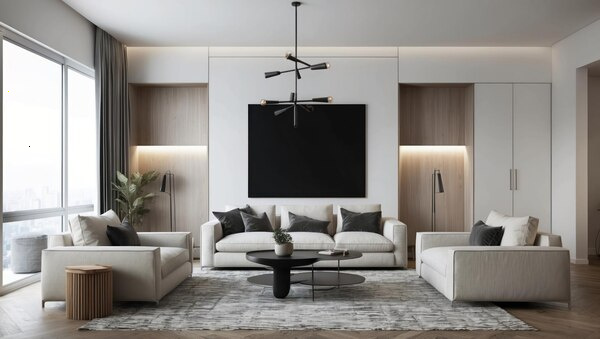
What Is Warm Minimalism?
Classic minimalism often centers on stark white walls, sharp contrasts, and a gallery-like feeling. For many households in the U.S. this can feel too cold or impractical.
Warm minimalism keeps the “less but better” mindset while adding:
- Soft, earthy colors
- Natural, tactile materials
- Curved or relaxed silhouettes
- A focus on comfort and livability
It’s about intentionality and calm, not about owning as little as possible. Every piece earns its place because it’s useful, beautiful, or both.
Why It Appeals in the U.S. Today
Several trends make warm minimalism especially relevant in the U.S.:
- Busy lifestyles: Reducing visual noise at home helps counter nonstop schedules and screens.
- Smaller or multipurpose spaces: Apartments, townhomes, and home offices benefit from clutter-free layouts.
- Wellness focus: More people want homes that reduce stress and support sleep, relaxation, and work-from-home balance.
- Sustainability awareness: Buying fewer, better-quality items aligns with growing concern about waste and overconsumption.
Warm minimalism fits a broad range of American homes—from suburban colonials and Craftsman bungalows to new builds and urban lofts—because it emphasizes feeling over strict “design rules.”
Core Principles of Warm Minimalism
- Edit First, Decorate Second
The foundation is subtraction:- Clear surfaces and remove duplicates.
- Keep what you use often or truly love.
- Store, donate, or sell items that don’t serve a clear purpose.
- Calm, Connected Color Palettes
Rather than pure white and black, warm minimalism leans on:- Warm whites (with cream or beige undertones)
- Soft taupes and greiges
- Sand, camel, and light caramel
- Muted greens, rusts, or terracottas as accents
In U.S. homes with open-plan layouts, a cohesive palette across kitchen, dining, and living areas keeps everything feeling calm and unified.
- Texture Over Pattern
Instead of busy prints:- Use linen, bouclé, wool, jute, and raw wood for depth.
- Mix smooth (glass, metal) with tactile (knit throws, woven baskets).
- Keep patterns subtle—thin stripes, small checks, or tone-on-tone designs.
- Function-Led Furniture
Pieces are:- Comfortable enough for daily American life (movie nights, kids, pets).
- Appropriately scaled (a huge sectional may overwhelm a small apartment).
- Simple in shape, often with soft edges rather than harsh angles.
- Negative Space Is Intentional
Empty space is not “missing decor”—it’s visual breathing room. Shelves, walls, and floor areas don’t have to be filled just because they exist.
Room-by-Room Guide
Living Room
In many U.S. homes, the living room is the main gathering spot, often open to the kitchen.
- Sofa: Choose one comfortable, neutral sofa with clean lines. Prioritize durable, stain-resistant fabric if you have kids or pets.
- Coffee table: Simple wood or stone with a soft form (round or oval works well, especially in smaller rooms).
- Rug: A large, low-contrast rug that grounds the seating area without overpowering it. Natural fibers like wool or jute blends add warmth.
- Storage: Built-ins or a media console with doors keep electronics and clutter hidden.
- Decor: A few large-scale pieces (one art print, a sculptural vase, one plant) rather than many small objects.
Keep the TV area simple: one streamlined console, concealed wiring, and minimal items on top.
Kitchen and Dining
American kitchens often collect clutter—mail, gadgets, kids’ school items. Warm minimalism helps them feel calmer and more functional.
- Decluttered counters: Store small appliances you don’t use every day. Keep only essentials like a coffee maker, cutting board, or a single attractive utensil crock.
- Cabinet choices: Flat-front or Shaker-style cabinets in warm whites, light woods, or soft greiges work well.
- Hardware and fixtures: Brushed brass, black, or stainless in simple shapes—no excessive ornament.
- Open shelves (if any): Use sparingly. Display everyday dishes and a few well-chosen pieces, not full collections.
- Dining area:
- Solid wood or wood-look table with simple lines.
- Comfortable, low-profile chairs.
- One understated centerpiece: a bowl of fruit, a vase with branches, or a single candle arrangement.
Bedroom
The bedroom is where warm minimalism can have the biggest impact on sleep and stress.
- Bed:
- Simple upholstered or wood headboard.
- Focus on good-quality sheets, a comfortable mattress, and a few layers of bedding for texture.
- Color: Choose the softest tones here—off-white, pale beige, muted sage, or warm gray.
- Nightstands: Keep surfaces nearly bare: lamp, book, maybe one personal object.
- Storage: Use dressers, under-bed boxes, and closet organization to avoid clothing piles.
- Decor: One or two pieces of art and perhaps a small plant. Avoid turning the room into a mini office if possible.
Home Office / Work-From-Home Corner
With remote and hybrid work common in the U.S., many people need a workspace that doesn’t visually overwhelm their living areas.
- Desk: A slim, simple desk that fits the available space.
- Chair: Ergonomic but visually light. Look for clean lines and neutral upholstery.
- Cable management: Use cable boxes, clips, and grommets to hide cords.
- Storage: Drawers, file boxes, or one closed cabinet to keep paperwork out of sight.
- Visual boundaries: A rug, small partition, or change in wall color can mark the “work zone” in a shared room without adding bulky walls.
Entryway
The entry sets the tone in many American homes, especially where the front door opens directly into the living room.
- Landing zone: A small console or wall-mounted shelf for keys and mail (with a designated tray or box).
- Coat and shoe control: Hooks, a small closed cabinet, or a storage bench so items have a home.
- Mirror: Simple, clean-framed mirror to reflect light and expand space.
- Doormat and rug: Durable and easy to clean, in neutral tones.
Lighting: The Heart of “Warm”
Lighting can make or break warm minimalism.
- Layers, not one overhead: Use a mix of ceiling lights, floor lamps, table lamps, and wall sconces.
- Warm temperature bulbs: Look for 2700K–3000K color temperature for cozy, golden light.
- Dimmer switches: Especially useful in open-plan living/dining areas and bedrooms.
- Shades and window treatments: Sheer curtains or light-filtering shades soften natural light and add subtle texture.
In many U.S. rentals, harsh overhead lighting is standard. Supplement with affordable floor and table lamps to create a softer atmosphere.
Materials and Finishes That Feel Warm
Focusing on materials instantly shifts a minimal home from cold to inviting:
- Wood: Oak, walnut, ash, and maple in light to medium finishes. Avoid overly gray or “cool” stains if you want warmth.
- Textiles: Linen, cotton, wool, and textured weaves in curtains, pillows, and throws.
- Stone and ceramics: Honed stone, matte tiles, and handcrafted-looking ceramics add depth and character.
- Metals: Brushed brass, bronze, or black metal provide contrast without harshness.
In U.S. climates with distinct seasons, these materials adapt well—cool enough in summer, cozy in winter.
Styling: Less, Bigger, Better
Warm minimalism is not about bare rooms, but about curated ones.
- Art:
- Choose fewer, larger pieces instead of gallery walls packed with frames.
- Abstract, landscape, or photographic works in soft colors integrate easily.
- Plants: A limited number of mid- to large-sized plants can animate a space without clutter.
- Books and objects: Display in small, intentional groupings: a stack of books, one sculptural object, one candle—then stop.
- Pillows and throws: Use for comfort and texture, not as decorative overload. A couple of pillows and one throw per seating area is usually enough.
Adapting Warm Minimalism to Different U.S. Home Styles
- Suburban homes: Soften large rooms or two-story living areas with overscaled rugs, long curtains, and a few substantial furniture pieces to avoid a “floating” feel.
- City apartments: Use visually light furniture (slim legs, glass or light wood) and hidden storage to maintain openness.
- Older houses (Craftsman, Colonial, bungalow): Respect original details (trim, fireplaces, built-ins) and keep new furniture and decor clean-lined and calm to balance character with simplicity.
- New builds: Warm minimalism prevents brand-new spaces from feeling sterile by emphasizing texture, layers of light, and carefully chosen natural materials.
Achievable on a Variety of Budgets
You don’t need high-end designer pieces to achieve this style.
- Prioritize investment pieces: Spend more on the sofa, mattress, and main rug if you can; they define the experience of home.
- Affordable basics: Big-box U.S. retailers and online marketplaces offer simple, neutral furniture and textiles that can be styled in a warm minimalist way.
- Secondhand and vintage: Thrift stores, estate sales, and online resale platforms are excellent sources for solid wood furniture and unique ceramics or art.
- Upgrade gradually: Start with paint, decluttering, and lighting before buying new furniture.
How to Start: A Simple Step-by-Step Plan
- Choose one room to focus on first, ideally the one you use most.
- Declutter surfaces and remove half the accessories; store them out of sight for a week and see what you truly miss.
- Define a color palette of 3–5 colors and neutrals; remove or relocate items that don’t fit.
- Rearrange furniture to create clearer walkways and more open space.
- Improve lighting with at least one warm lamp in addition to the ceiling light.
- Layer in texture through a rug, throw blanket, or a couple of pillows.
- Add one or two natural elements—a plant, wood bowl, or ceramic vase.
Repeat this room by room, adjusting for how you actually live: kids, pets, hobbies, and work demands.
Warm minimalism in the U.S. isn’t about perfection or strict rules. It’s about making your home calmer, more comfortable, and more intentional—so that when you walk through the door at the end of the day, your space feels like it’s on your side, not competing for your attention.