How Blueprint Harmony Design Transforms Small Spaces into Functional Retreats
Maximizing small apartments in the U.S. is less about sacrifice and more about strategy. With the right layout, furniture, and storage ideas, even a studio or one‑bedroom can feel open, comfortable, and surprisingly functional.
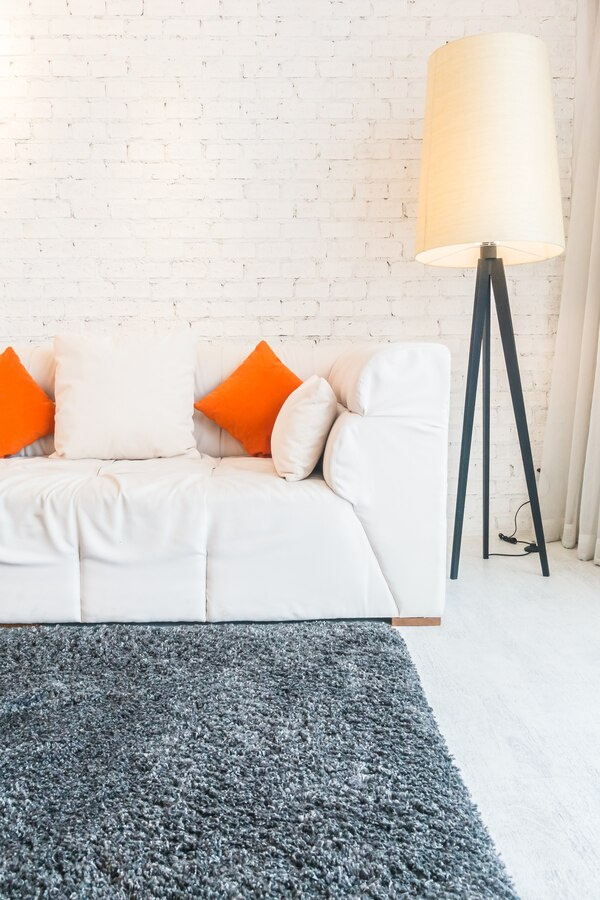
Modern living means adapting to less square footage and more flexibility. Before choosing furniture, sketch your floor plan and identify three primary zones: a place to sleep, a place to relax or work, and a place to eat. In many U.S. apartments, these zones overlap, so the goal is to define them without blocking light or flow.
Open layouts are common in newer buildings, and they can quickly feel cluttered. Opt for low or visually light furniture that keeps sightlines open. A slim sofa on legs, a compact media console, and wall‑mounted shelves instead of bulky bookcases immediately make a room feel larger. Arrange seating to face windows when possible; this draws attention outward and makes the space feel connected to the outdoors.
The entryway, even if it is just a few feet by the door, deserves a layout plan. A narrow bench with hidden storage, wall hooks, and a small wall‑mounted shelf create a functional drop zone without taking up much space. This reduces clutter in the main living area and creates a psychological boundary between “outside” and “home.”
In a combined living and sleeping area, such as a studio, how you separate functions matters more than the size itself. Instead of solid dividers, consider open shelving units, lightweight screens, or even curtains to define the bedroom zone. A low bookcase behind a sofa can act as both a room divider and a storage solution. This maintains airflow and natural light, crucial in compact spaces.
Multipurpose furniture is one of the most effective tools for maximizing small apartments in the U.S., where moving frequently and fitting into standard layouts is common. A sleeper sofa or a daybed lets the living room function as a guest room when needed. Storage ottomans double as coffee tables and extra seating. Folding or drop‑leaf dining tables can expand for dinner parties and shrink back for everyday life. Nesting side tables slide together when not in use, then separate to serve different zones.
Beds with built‑in drawers or space underneath for bins are particularly valuable in small bedrooms. In many U.S. city apartments, closets are limited, so using the vertical space around the bed matters. Wall‑mounted shelves above the headboard, narrow nightstands with drawers, and over‑the‑door organizers all help to consolidate essentials in one compact footprint.
The kitchen is another crucial area. Galley or one‑wall kitchens demand efficiency. Mount magnetic knife strips and rail systems for utensils and pots to free countertop space. Use slim rolling carts that can tuck into a corner or beside the refrigerator; they serve as extra prep space or a movable bar. Clear canisters and labeled storage help you see what you have at a glance, reducing visual chaos and overbuying.
Dining frequently overlaps with living space in modern U.S. apartments. A small round table often fits better than a square one in tight corners and improves movement around it. If a separate table is not possible, a counter‑height bar with stools that tuck fully underneath gives you a place to eat and work without dominating the room.
Home offices have become essential, even in very small homes. Instead of a full desk, a wall‑mounted fold‑down desk or a narrow console can provide a functional workspace. Position it near a window for natural light and pair it with a comfortable but compact chair that can double as extra seating for guests. Using vertical file organizers, pegboards, and cable management keeps the work area from spilling visually into the rest of the apartment.
Effective use of vertical space is one of the biggest missed opportunities in compact layouts. In many U.S. buildings, ceiling heights are higher than the footprint is large. Tall, narrow bookcases; shelving above doors; and stacked storage in closets harness this height. Consider a wardrobe system that reaches nearly to the ceiling to replace or supplement small original closets. In the bathroom, over‑toilet shelving units, tension rods inside the shower, and corner shelves transform dead zones into storage.
Lighting strategy has an outsized impact in small apartments. Instead of relying on a single overhead fixture, layer lighting with floor lamps, wall sconces, and table lamps. This creates depth and allows zones to feel distinct without adding walls. Plug‑in sconces and clamp lights are especially useful in rentals, where hardwiring is not an option. Aim to keep window areas clear of heavy, dark curtains; light, sheer panels or simple blinds maintain privacy while maximizing daylight.
Color and materials influence how the layout feels. Light, neutral walls such as soft whites, warm grays, or pale beiges make the background recede, allowing furniture placement to stand out more clearly. Use color strategically in textiles, art, and a few accent pieces instead of on large surfaces. Transparent materials like glass and acrylic in coffee tables or side tables reduce visual weight and give the illusion of more floor area.
Storage planning must be intentional from the start. In many American apartments, seasonal items, sports gear, and luggage take up valuable space. Use under‑bed storage for out‑of‑season clothing and linens. Install additional rods and shelves in existing closets to double their capacity. Choose furniture with hidden compartments whenever possible. Regular editing—donating or selling what you no longer use—keeps these systems functioning.
Traffic flow is a subtle but vital part of layout. Identify the natural paths from door to kitchen, to bathroom, and to bed, and keep these routes at least a couple of feet wide and as straight as possible. Avoid placing large pieces where they force people to zigzag or squeeze through narrow gaps. In small homes, comfort is often determined not by the size of each zone but by how effortlessly you can move among them.
Rental constraints across much of the U.S. mean you may not be able to paint walls or make structural changes. Focus instead on removable solutions: adhesive hooks, peel‑and‑stick wallpaper, modular shelving that doesn’t require drilling, and rugs to visually carve out areas. These elements can travel with you to the next apartment, making small‑space planning a long‑term investment rather than a one‑time fix.
Ultimately, the smartest layouts for modern U.S. apartments start with an honest assessment of how you live. If you rarely cook, you might prioritize an expanded work zone and a compact kitchen. If you host often, flexible seating and an adaptable dining area may matter more than a large media unit. When every piece of furniture earns its place by serving more than one function and every layout decision supports your daily routines, even the smallest apartment can feel intentionally designed, livable, and surprisingly spacious.